Chili - or something borrowed
Okay, yes, this is not strictly speaking a recipe from Dhaka. There are instincts from Dhaka, of course: how we treat oil, how we stagger flavor, how the chili is also মরিচ (morich), the turmeric is actually হলুদ (holud). But it is just chili. It and I borrow freely.
I am going to borrow three stories from my memory to explain why, to me, this chili is an epitome of love. It is somewhat new. It learns from rough techniques. It utilises food we love from places of love.
The first memory to check out is outside.
It is in the pandemic, it is my partner and I going to do something that is emblematic of our bond. It is also the tale of an overly cautious boy (dear reader, that is me), learning to season his wok. This wok needed to be bathed in fire and flame, not timidly heated on an electric coil stove in a college apartment complex. So we trekked towards Lake Michigan to spend a weekend baptizing our wok. The very first recipe made in this wok was a chili - this recipe. This chili recipe is borrowed from us, cold, and damp, and happy in Muskegon.
The second memory to check out is inside.
During the COVID years, we quarantined in Michigan, the days narrowing to rooms, to screens, to the quiet arithmetic of distance and of safety. We thought often of the people we loved. My family was 7,800 miles away in Dhaka; hers, 2,400 miles away in Southern California. In actuality both distances were infinite. In this case, no infinities are bigger than others.
California food, I came to understand, is nested within such infinities. It is the food of Persia laid gently beside the food of Tokyo. It is the fresh citrus of farmer’s markets and it is the food of Oaxaca. It is a food scene built using bricks borrowed from these nested infinities.
During our quarantine, she ordered a cookbook from Bricia Lopez’s Los Angeles institute, Guelaguetza. It arrived in the form of a book but it may as well have been a peephole in a box. An opening in the window to let something warm and familiar and infinite leak into the finite sealed space of the apartment. Cooking from it sent us outward, first tentatively, then with severest of intentions, through Ypsilanti grocery stores that smelled of chilies and dust and sweetness. We stocked up, how could we not?
When the vaccines began to move through the world, we went to Los Angeles, and on our last day pilgrimaged to Guelaguetza. It was immediately obvious that they were able to source ingredients that we could not from elsewhere. Some of the ingredients in this recipe are borrowed from the pantry of Bricia Lopez.
The third memory to check out is here.
Like many who move to New York, we arrived carrying a slow and low cooked anxiety about friendship and community. We had left people behind who had known our flavors and were worried about empty settings at dinners. We still had the dried chili from our adventures and the story of why they were necessary, and we used them to invite people in.
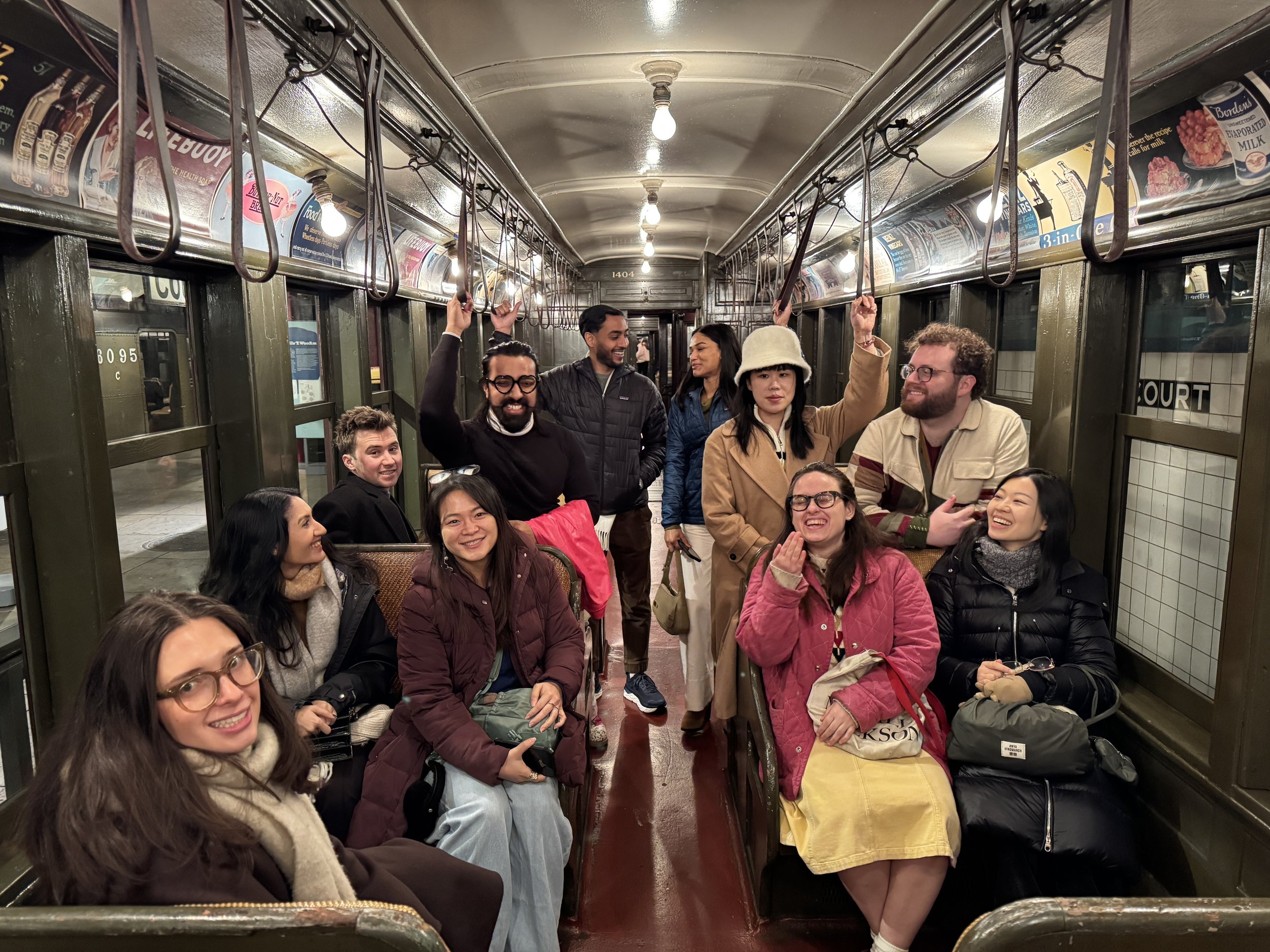
Two people we invited in were Jack Ling and Becky Ngo. First through a board game club, then a book club, then a Broadway club, before finally having to admit that we may just like each other’s companies. Jack and Becky are adventurers. At one of our early hangouts, we sat together and watched street food vlogs of our home cities. Later they traveled to Oaxaca, asked what we wanted, and came home with their arms full of chilies.
We have shared a kitchen, cooked for each other — and in characteristic, and shamefully predictable pan-Asian style — had kerfuffles over many a bill. The chilies that animate this recipe were borrowed from them. And whenever we cook with them, we are reminded that the fear we carried into this city did not prove durable. We found kin. We found our people.
Play with it all you want. Your end result should be a dark, dry, spiced chili that goes best with a bowl of rice or some dry bread. My only homebrew variation brings it closer to a rendang that I will post someday later.
The Vessel of choice
Heavy-bottomed pot with a tight lid or a Dutch Oven.
Ingredients
2-2.5 lbs Ground Beef: a mix of chuck/sirloin is best. Admittedly I have had good success with 50/50 ground beef and lamb.
1.5 cups Onions/Shallots: Sliced thin
1 tbsp Garlic Paste & 1 tbsp Ginger Paste.
1 Cup of freshly brewed coffee
About 1 cup (100 grams) of chopped up Oaxacan chocolate (I think any dark chocolate should work here just go as dark as you can)
Any generous assortment of dried chili (I used 2 Guajilo, 2 Ancho, 2 Mulato, 2 Arbol, and 2 Cascabel for no particular reason and it worked rather well)
1 can of San Marzano Tomatoes (28 oz)
Spices (Whole): 2 black cardamom pods (crushed), 1–2" cinnamon stick, 3 cloves, 1 bay leaf, 3 dry red chilies (arbol), optionally 1–3 bird’s eye chilies if you like spice as much as me
Spices (Ground): 1 tbsp chili powder (2 if you want it spicy), 1 tbsp black pepper, 2 tbsp cumin, 1 tbsp coriander, 1 teaspoon turmeric (this is a matter of taste, you can omit it), 1 tsp mustard powder (if no mustard powder use a similar volume of dijon)
Finishing: 1 tbsp garam masala, salt to taste
Garnish: Fresh cilantro and lime wedges
Note to self: When making this recipe for myself I had a little purple tea left over from a trip to Minneapolis, which I brewed up to build up more bitterness in the recipe (beef, chocolate, and bitter go really well together). I will try to incorporate this into a future rendition
Instructions
Preheat the oven to 375°F.
Place the dried chilies on a baking sheet and toast them for 5–10 minutes, watching carefully. You do not want them to burn. You only want them to dry further, darken slightly, and become fragrant.
Let the chilies cool slightly, then grind them in a food processor, spice grinder, or blender until medium-fine to fine. I used my NutriBullet, which is my kitchen power tool of choice for now. Set the ground chilies aside.
Prepare the coffee and chocolate. Brew 1 cup of coffee. While the coffee is still hot, stir in about half of the chopped chocolate until melted. Set aside the remaining chocolate for later.
The coffee and chocolate are a perfect marriage. They will do good things with the beef and chilies later.
Combine the whole spices and ground spices in a small bowl or ramekin. They will go into the pot around the same time, so you may as well have them ready.
Heat a few tablespoons of oil in your heavy-bottomed pot or Dutch oven over medium heat. Add the onions or shallots and fry until golden. If you are impatient, a small pinch of sugar or a tiny drizzle of maple syrup will help them along.
Add the ginger paste and garlic paste, and cook for another 1–2 minutes, stirring often, until fragrant. Remove the onion mixture from the pot and set aside.
Brown the meat. Increase the heat to medium-high. Add the ground meat in batches, browning each batch well before removing it from the pot. Do not crowd the pan. If you add too much meat at once, it will steam, turn gray, and release too much water (which is admittedly not irredeemable, just keep cooking it!) You want the meat to brown, and you want some caramelized bits to form at the bottom of the pot. Once all the meat has browned, set it aside with the onion mixture.
Bloom the spices and chilies. Return the browned meat and onion mixture to the pot. Add the whole and ground spices. Stir well so the meat is coated in the spices. Season with a first generous pinch of salt.
Add the ground toasted chilies and stir again. Let everything cook for 2–4 minutes, just until the spices and chilies become deeply fragrant.
Deglaze with coffee and chocolate. Add the coffee-chocolate mixture to the pot and scrape the bottom with a wooden spoon, loosening all the browned bits. Add the canned tomatoes, crushing them with your spoon as they go in. Rinse the can with a splash of water and add that too (no sauce left behind). Stir thoroughly, breaking up any clumps of meat as you go.
Simmer. Bring the chili to a gentle bubble, then reduce the heat to low. Cover and simmer for 45 minutes to 1 hour, stirring occasionally. If the chili starts sticking aggressively, add ½ cup water and continue cooking. The goal is a dark, thick, spiced chili where the sauce clings to the meat.
Uncover the pot and if there is too much liquid, cook uncovered over medium heat for 5–10 minutes, stirring often, until the chili is thick and not soupy. Stir in the remaining chocolate, the garam masala, and salt to taste. Serve with rice, dry bread, lime wedges, and fresh cilantro. Maybe a dollop of sour cream.
Tips and tricks
I really mean it that this chili is meant to be played with. The end result should be dark, dry, spiced, and ever so slightly bitter, with enough heat to make the rice or bread feel necessary and earned. I think any Texan I know is already pretty suspicious of many steps of this recipe so I may as well aggravate it further by saying that if you want to add beans into this recipe, and it brings you joy, please do so. I would add the beans (my preferred for here would be garbanzo) right around step 9 before you let it simmer. You may find however, that you will need to add more spices to compensate for the added porous beans.
If you make this recipe, please let me know how it goes. If you have questions at any point, text or call me for advice, and the advice will be readily lent.
You may wish to note the above,
Nafis